

Updated: Aug 8
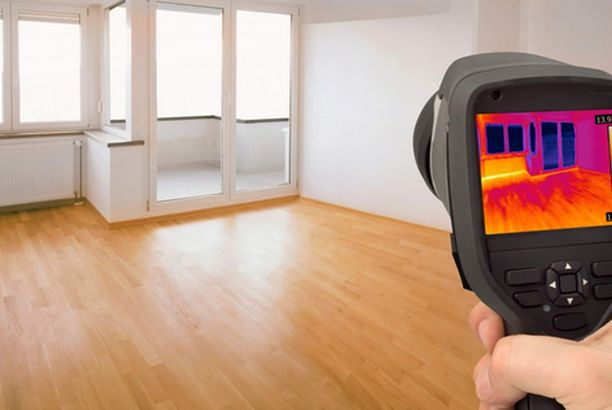
The rise of affordable thermal cameras has transformed the inspection industry, making thermal imaging technology accessible to professionals who previously couldn’t justify the investment in high-end equipment. With numerous models now available under $200, inspectors face an important question: can these budget-friendly devices deliver reliable results for professional inspection work?
Understanding Thermal Camera Technology Basics
Thermal cameras detect infrared radiation emitted by objects and convert this information into visible images that display temperature variations.
Professional inspectors use this technology to identify hidden problems such as electrical hotspots, insulation gaps, moisture intrusion, and HVAC system inefficiencies.
The effectiveness of any thermal imaging device depends on several key technical specifications that directly impact inspection quality. Resolution represents one of the most critical factors in thermal imaging performance.
Budget thermal cameras typically offer resolutions ranging from 80×60 pixels to 160×120 pixels, significantly lower than professional-grade equipment that may provide 320×240 pixels or higher.
Practical Applications for Budget Thermal Cameras
Budget thermal cameras excel in specific inspection scenarios where dramatic temperature differences exist.
Electrical panel inspections represent an ideal application, as overheating components typically create substantial temperature variations that budget devices easily detect.
Loose connections, overloaded circuits, and failing components generate heat signatures that appear even on lower-resolution displays.
Building envelope inspections also benefit from budget thermal imaging technology. Air leaks around windows and doors create noticeable temperature patterns, particularly during seasons when indoor and outdoor temperatures differ significantly.
Limitations of Budget Thermal Imaging Equipment
Professional inspectors must understand the constraints of budget thermal cameras to use them effectively and avoid misdiagnosis. Image quality limitations can make it difficult to identify subtle temperature variations that might indicate developing problems.
The lower resolution reduces the ability to pinpoint exact locations of issues, particularly in complex mechanical systems or detailed electrical installations.
Measurement accuracy represents another significant limitation. Budget devices often provide temperature readings with wider tolerance ranges, making precise temperature documentation challenging.
This limitation becomes problematic when inspection standards require specific temperature thresholds or when creating detailed reports for insurance or warranty purposes.
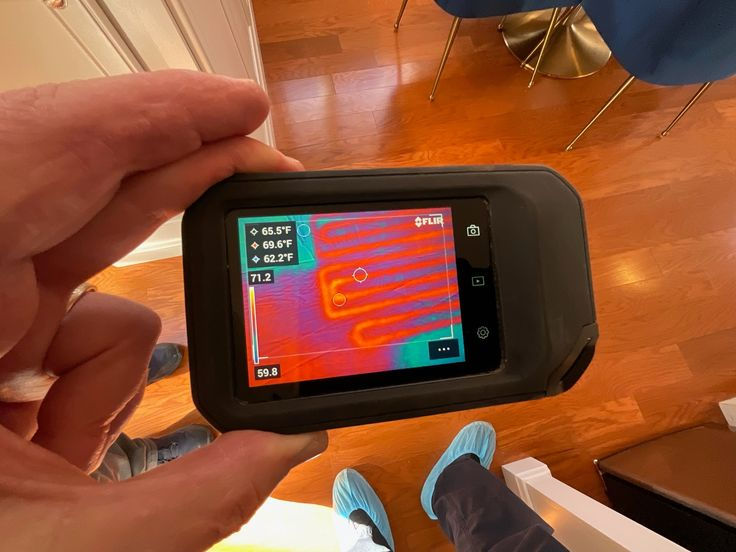
Professional Standards and Equipment Requirements
Many inspection organizations and certification bodies establish minimum equipment standards that may exceed the capabilities of budget thermal cameras.
Professional home inspectors, electrical contractors, and building diagnosticians often need equipment that meets specific accuracy requirements and provides reproducible results for liability and documentation purposes.
Insurance considerations also influence equipment selection decisions. Professional liability coverage may require inspectors to use equipment meeting certain specifications or certifications.
Making the Right Equipment Decision
The suitability of budget thermal cameras depends largely on the specific inspection applications and professional requirements.
For occasional use, preliminary assessments, or supplementary tools alongside other inspection methods, budget devices can provide valuable insights at reasonable costs.
Small contractors, maintenance technicians, and property managers may find that these cameras offer sufficient capability for their needs.
Conclusion
Budget thermal cameras under $200 can serve as valuable inspection tools when used appropriately and with a full understanding of their limitations. While they cannot replace professional-grade equipment in all applications, they offer an accessible entry point into thermal imaging technology that can enhance inspection capabilities and provide genuine value for many users.


0 Comments