

Understanding transite heating systems, asbestos risks, and retrofit options could be one of the most important steps you take as a homeowner. Many homeowners remain unaware that their heating systems contain asbestos until renovation projects or routine inspections reveal the truth. But knowledge is power, and recognizing these materials early allows you to make informed decisions about your family’s safety and your home’s long-term value.
Understanding Transite in Your Heating System
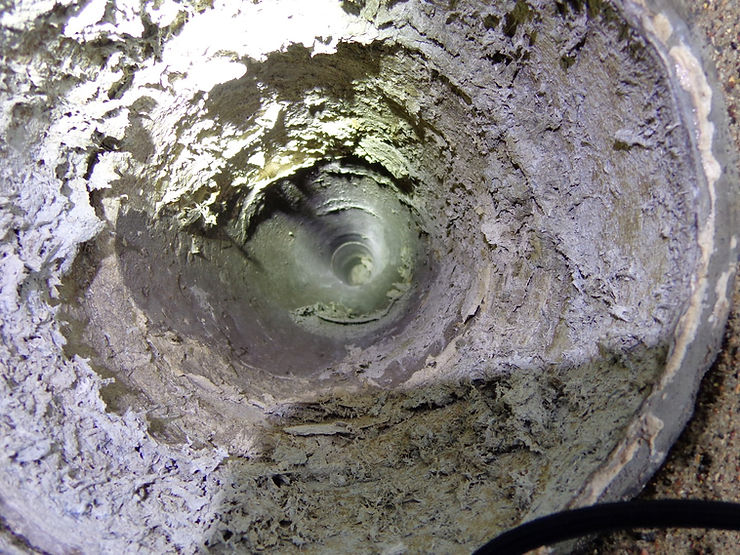
In heating systems, transite commonly appears as flue pipes, chimney liners, and ductwork. This material was commonly used to vent gas appliances such as furnaces, boilers, and water heaters in older homes. The material’s heat resistance and durability made it an attractive choice for contractors and homeowners seeking long-lasting solutions.
Recognizing the Health Risks
The primary concern with transite heating systems, asbestos risks, and retrofit options centers on the potential for asbestos fiber release. Well-contained asbestos that has not become friable poses no real risk, but deteriorating materials create serious health hazards.
When transite heating components begin to break down, they can release microscopic asbestos fibers into your home’s air. The damaged surface or material could release asbestos fibers into the air if disturbed by airflow, extreme vibration, handling, hitting, or rubbing.
The risk increases significantly when transite components become friable – meaning they can be crumbled by hand pressure. A transite pipe cement asbestos chimney vent flue that becomes blocked creates multiple safety hazards: increased production of carbon monoxide at the heating appliance and failure to vent combustion gases fully outside the building.
Signs Your System Needs Attention
How do you know if your transite heating components require immediate attention? Start by looking for visible deterioration around your heating system’s venting and ductwork.
● Check for cracking, flaking, or chalky residue around joints and connections. The interior of the vent can deteriorate and flake apart, collapsing in on itself, creating both safety and health concerns.
● Pay attention to your heating system’s performance as well. If you notice reduced efficiency, unusual odors, or poor venting, these could indicate deteriorating transite components that need professional evaluation.
● Never attempt to test or handle suspected transite materials yourself. Professional inspection remains the safest way to assess your system’s condition and determine appropriate next steps.
Modern Retrofit Solutions
Contemporary replacement options include:
• Stainless steel venting systems that resist corrosion and provide superior durability
• Modern PVC venting for high-efficiency appliances that eliminates asbestos concerns entirely
• Advanced ductwork materials that improve air quality while reducing maintenance needs
Planning Your Retrofit Strategy
Successful transit system retrofits require careful planning and professional guidance. Upgrade options typically include programmable thermostats, which allow you to set temperature schedules for specific times of day, and modern control systems that optimize performance while ensuring safety.
Consider your home’s overall heating needs when planning retrofits. If you want to have air conditioning on every floor, you may want to remove your hydronic heating system and replace it with a forced-air furnace and new ductwork.
Moving Forward Safely
Transite heating systems, asbestos risks, and retrofit options don’t have to overwhelm you as a homeowner. With proper assessment and planning, you can transform potentially hazardous heating components into modern, efficient systems that protect your family’s health.


0 Comments