

When you’re about to make one of the biggest investments of your life, understanding the condition of a property is crucial. That’s where a professional home inspection comes in. I want to walk you through the comprehensive services offered by home inspectors, so you know exactly what to expect and how these services can protect your investment. Whether you’re buying, selling, or maintaining a home in Cincinnati or Dayton, Ohio, a thorough inspection can provide peace of mind and valuable insights.
Home Inspection Services Overview
A home inspection is much more than a quick walkthrough. It’s a detailed evaluation of a property’s condition, covering everything from the foundation to the roof. When you hire a qualified inspector, you’re getting an expert who knows what to look for and how to spot potential issues before they become costly problems.
Here’s what a typical home inspection includes:
- Structural components: Inspectors check the foundation, walls, ceilings, floors, and roof framing to ensure the home is stable and safe.
- Exterior elements: This includes siding, windows, doors, gutters, and drainage systems.
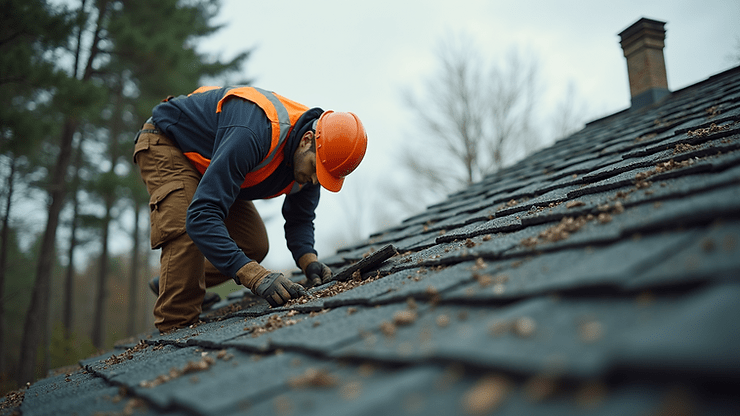
- Roofing: Inspectors assess the condition of shingles, flashing, chimneys, and vents.
- Plumbing: They look for leaks, pipe conditions, water pressure, and the functionality of fixtures.
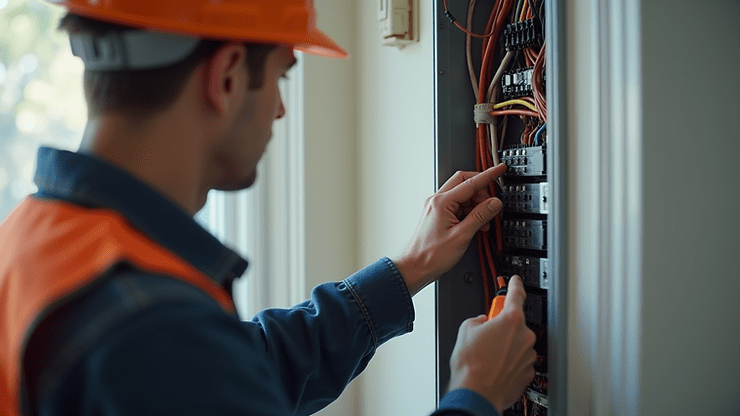
- Electrical systems: This involves checking wiring, outlets, panels, and grounding.
- Heating and cooling systems: Inspectors test HVAC units, ductwork, and thermostats.
- Interior components: Doors, windows, walls, ceilings, floors, stairs, and railings are all examined.
- Insulation and ventilation: Proper insulation and ventilation are essential for energy efficiency and preventing moisture problems.
- Fireplaces and solid fuel burning appliances: These are checked for safety and proper operation.
Each of these areas is carefully documented in a detailed report, often with photos and recommendations for repairs or further evaluation by specialists.
Why You Should Consider Specialized Inspections
Sometimes, a general home inspection isn’t enough. Certain properties or situations call for specialized inspections to uncover hidden issues. Here are some examples:
- Radon testing: Radon is a naturally occurring radioactive gas that can seep into homes and pose health risks. Testing is especially important in Ohio, where radon levels can be elevated.
- Pest inspections: Termites, carpenter ants, and other pests can cause serious structural damage. A pest inspection identifies infestations and damage.
- Mold inspections: Mold can affect indoor air quality and health. Inspectors look for visible mold and moisture problems that could lead to mold growth.
- Sewer scope inspections: This involves using a camera to inspect sewer lines for blockages, breaks, or tree root intrusion.
- Chimney inspections: A detailed look at chimney structure, flue, and ventilation to ensure safe operation.
These specialized services complement the general home inspection and provide a more complete picture of the property’s condition.
What to Expect During the Inspection
When you schedule a home inspection, the process usually takes 2 to 4 hours depending on the size and age of the home. I recommend being present during the inspection if possible. This gives you a chance to ask questions and see issues firsthand.
Here’s a typical flow:
- Arrival and introduction: The inspector explains the process and what they will be checking.
- Exterior inspection: The inspector examines the outside of the home, including the roof, gutters, siding, and foundation.
- Interior inspection: Moving inside, the inspector checks plumbing, electrical, HVAC, and structural components.
- Attic and basement: These areas are critical for spotting insulation, ventilation, and moisture issues.
- Final walkthrough: The inspector summarizes findings and answers your questions.
- Report delivery: Within 24 to 48 hours, you receive a detailed report with photos and recommendations.
Being proactive during the inspection helps you understand the home better and make informed decisions.
How a Home Inspection Protects Your Investment
A home inspection is an investment in your future. It helps you avoid surprises after closing and can save you thousands in repairs. Here’s how:
- Negotiation leverage: If the inspection reveals issues, you can negotiate repairs or price reductions with the seller.
- Budget planning: Knowing what needs fixing helps you plan your renovation budget realistically.
- Safety assurance: Identifying hazards like faulty wiring or structural damage keeps you and your family safe.
- Maintenance guidance: Inspectors often provide tips on maintaining your home to prevent future problems.
- Confidence in your purchase: Ultimately, a thorough inspection gives you peace of mind that you’re making a sound investment.
If you want to learn more about the full range of home inspection services available, I encourage you to explore trusted local providers who understand the unique needs of homes in Cincinnati and Dayton.
Choosing the Right Home Inspector
Not all inspectors are created equal. To get the most from your inspection, look for these qualities:
- Certification and licensing: Ensure the inspector is certified by reputable organizations and licensed in Ohio.
- Experience: Inspectors with years of experience in your area understand local building codes and common issues.
- Comprehensive reporting: A good report is clear, detailed, and includes photos.
- Communication skills: Your inspector should be willing to explain findings and answer questions.
- Positive reviews and references: Check online reviews and ask for references from past clients.
Selecting the right inspector is key to a smooth and informative inspection process.
Taking Action After the Inspection
Once you receive your inspection report, it’s time to act. Here’s what I recommend:
- Review the report carefully: Pay attention to major defects and safety concerns.
- Consult specialists if needed: For complex issues like roofing or electrical, get estimates from licensed contractors.
- Discuss repairs with the seller: Use the report to negotiate repairs or credits.
- Plan your maintenance: Address minor issues promptly to avoid bigger problems.
- Keep the report handy: It’s a valuable document for future reference and resale.
By following these steps, you’ll protect your investment and enjoy your home with confidence.
Understanding the comprehensive services offered by home inspectors empowers you to make smart decisions. From the initial evaluation to specialized testing and post-inspection actions, every step is designed to safeguard your property and your peace of mind. If you’re ready to take the next step, consider reaching out to a trusted local expert who can guide you through the process with professionalism and care


0 Comments