

Radon Testing Home Inspection in Cincinnati & Dayton, Ohio
What is Radon?
Is Radon a problem in the Cincinnati or Dayton area?

Radon is a hazardous, naturally occurring gas resulting from the decay of trace amounts of uranium found in the earth’s crust. It is odorless and invisible and has been categorized by the Environmental Protection Agency as a carcinogen since 1988. It is the second leading cause of lung cancer in the U.S. after smoking. Regular radon inspection and radon testing are essential to ensure your home is safe. While radon dissipates quickly in open spaces, it can build up to harmful levels inside a home.
The main source of radon gas is the soil under and around your home, but it can also be found in well water, building materials, public water sources, and outdoor air (see pie chart).

Schedule now to see if your home in Cincinnati or Dayton needs a radon inspection or radon mitigation system.
How Radon is Measured
Radon gas testing is critical because radon is invisible, odorless, and chemically inert. You can’t detect it without specialized devices. Fortunately, radon detectors are commonly available across the U.S. The most widely used “passive” radon detectors are called radon test kits, and they can be found at hardware stores, home centers, and online. These kits are typically set up in the house for 2 to 5 days to ensure adequate exposure. Afterward, the radon test kit is sent to a lab, where the radon levels are determined.
For more accurate and immediate results, a LiteHouse Inspect’s Radon Measurement Professional can provide radon testing using calibrated instruments. We will set up a Continuous Radon Monitor in the appropriate location for 2 days. During this period, the monitor records measurements that will appear in the Radon Measurement Report.
If you need radon testing home inspection services in Cincinnati or Dayton, a LiteHouse Inspect’s radon professional can help you.


How Does Radon Enter My Home?
The majority of radon gas enters homes through the soil, making the risk of exposure higher in homes with a crawl space made of dirt. But even homes with a concrete foundation can still be at risk for high radon levels. That’s why radon inspection is essential for every property.
Radon is a radioactive gas that can get into your home through sump openings, floor drains, and cracks in the foundation walls and floor. It can also enter through gaps in the foundation walls for pipes and other utility lines. Radon gas that enters a home through the basement or crawl space has no difficulty moving to the upstairs and into living areas.Radon gas is present indoors and outdoors. It’s all around us all the time. However, because our homes and buildings draw the gas in from the soil and trap it inside, radon levels are usually higher indoors.
The good news is that radon levels can be significantly reduced by hiring a licensed professional to perform a radon inspection and install an affordable radon mitigation system. Installation typically takes less than a day, and the results are guaranteed. LiteHouse Inspect can assist you in hiring a qualified mitigation professional and even manage the project on your behalf. When the system is installed and running, we also provide you with unbiased radon gas testing to ensure the levels are being lowered appropriately.
Schedule a Radon Testing Home Inspection in Cincinnati and Dayton, Ohio
LiteHouse Inspect
Offering the Best Radon Gas Testing in Cincinnati & Dayton, Ohio

Radon Facts:
All homes have some level of Radon
Radon can increase the risk of lung cancer
Radon in homes can be reduced significantly
Avg Cost of Radon Testing $175 – $200
The EPA suggests that radon testing home inspection be done annually, even in homes with mitigation systems
Weather and time affect radon levels
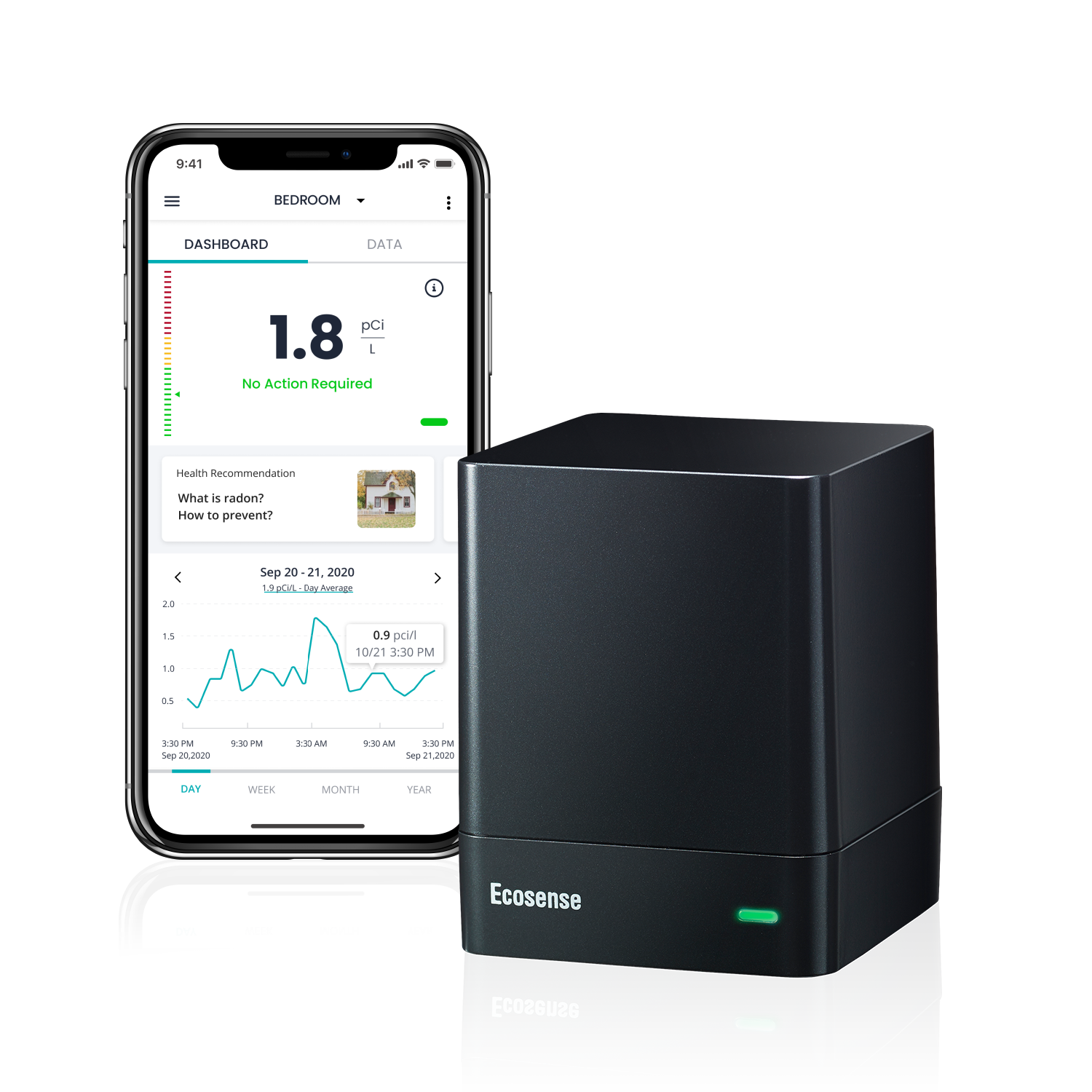
An Ecosense Continuous Radon Monitor allows you to constantly stay on top of the amount of radon present in your home. Order one today and get 5% off with promo code LITEHOUSE. Popular models for DIY monitoring include – EcoBlu, EcoCube, and RadonEye.
Frequently Asked Questions
1. What is radon and why does it need testing?
Radon is a colorless, odorless gas that comes from uranium breaking down in the soil. You can’t smell it or see it, so the only way to know it’s there is to test for it. It’s the second leading cause of lung cancer in the US after smoking.
2. How does LiteHouse Inspect perform radon gas testing in Cincinnati and Dayton?
LiteHouse Inspect sets up a Continuous Radon Monitor in the right location in your home for 48 hours. It records measurements the whole time and the results go into a Radon Measurement Report you get after the test is done.
3. What radon levels are dangerous in a home?
Action is advised by the EPA at 4 pCi/L or higher. Radon testing tells you exactly where your home stands. Even levels between 2 and 4 pCi/L can be worth addressing since a mitigation system is relatively affordable and installation usually takes less than a day.
4. How does radon get into homes in Cincinnati and Dayton?
It comes up through the soil and gets in through cracks in the foundation, floor drains, sump pits, and gaps around pipes. Homes with dirt crawl spaces carry the highest risk but even a solid concrete foundation doesn’t keep it out completely.
5. What happens if a radon inspection finds high levels in my home?
A licensed mitigation contractor installs a system that vents the gas out before it builds up indoors. LiteHouse Inspect can help connect you with a qualified contractor and come back to retest afterward to make sure the levels actually dropped.
6. How often should I get radon testing done in Cincinnati or Dayton?
Once a year is what the EPA recommends, even if you already have a mitigation system in place. Radon levels shift with the seasons, weather, and changes to the home. Annual radon testing home inspection keeps you from flying blind between major purchases or renovations.
